Bù Gia Mập National Park was established on November 27, 2002, located in the transition zone between the Central Highlands and the Southern Plains. This forest holds a particularly critical position in conserving the rare genetic resources of flora and fauna; ensuring the safety of the Cần Đơn and Sóc Phu Miêng hydropower projects; and serving scientific research, environmental education, and eco-tourism development.
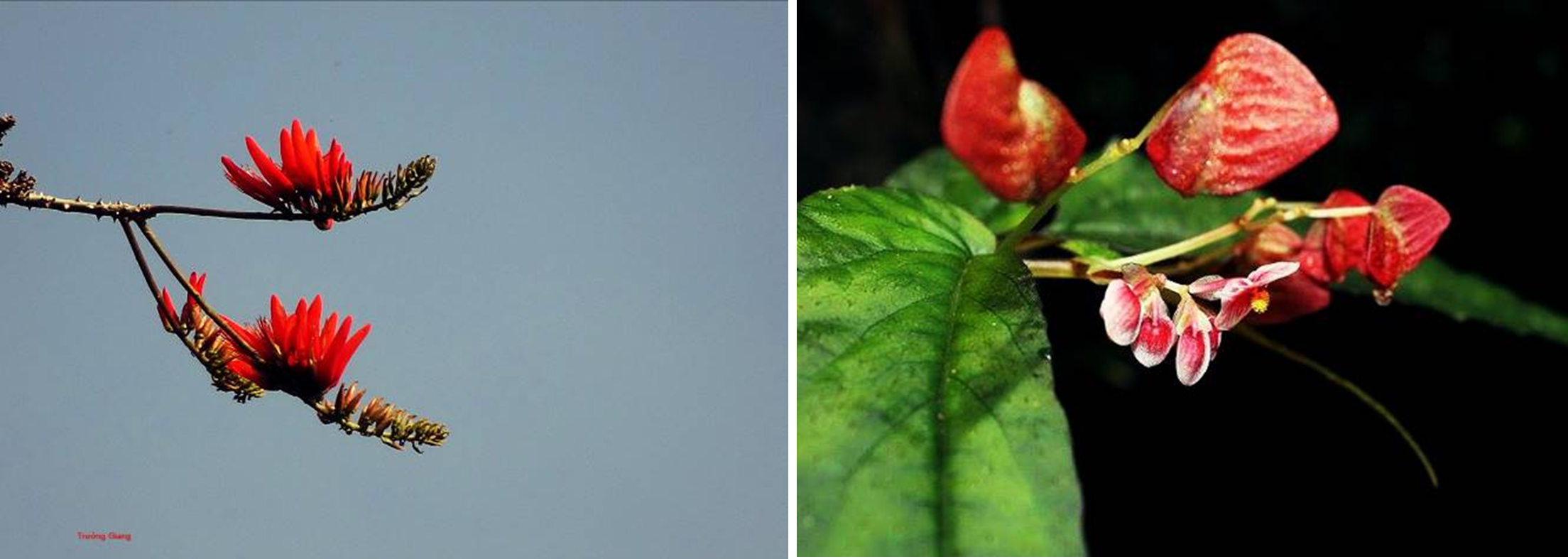
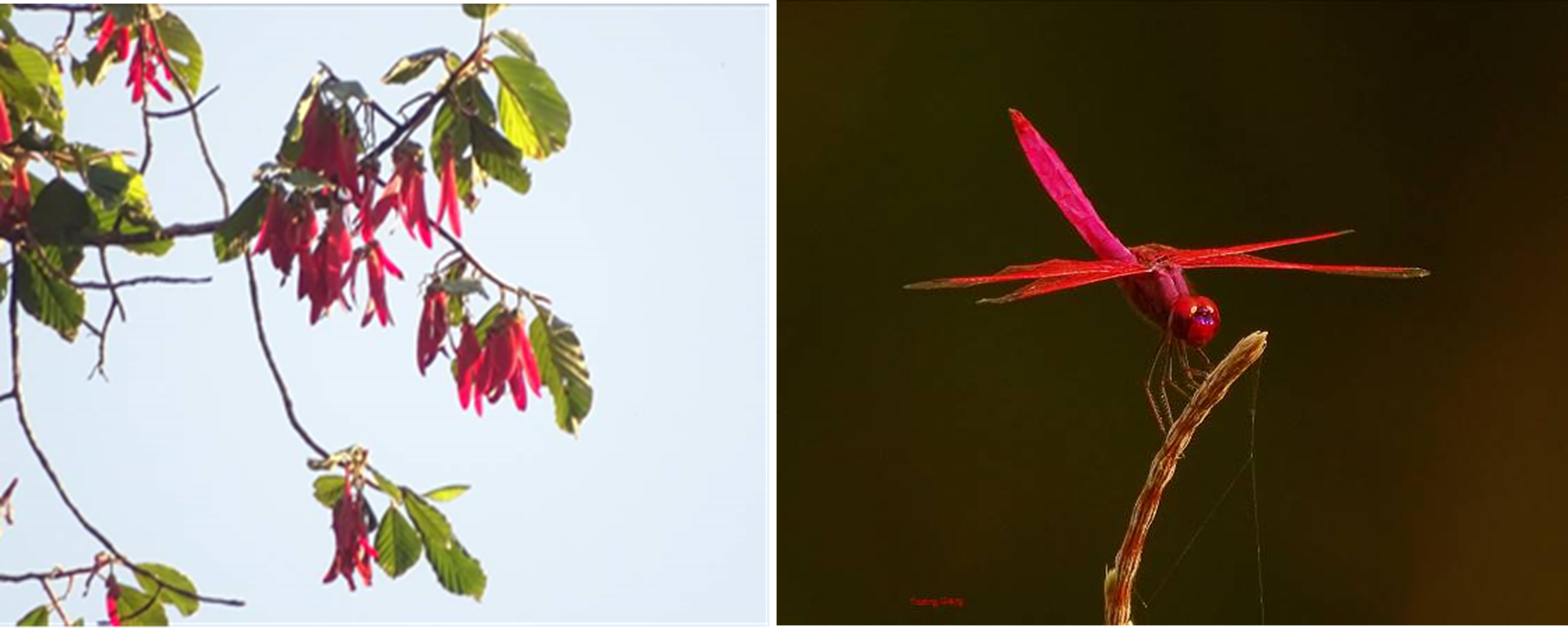
Covering an area of over 25,593.79 hectares, Bù Gia Mập National Park is one of the areas with the highest levels of biodiversity in the Southeast region. Recent studies have recorded 1,115 plant species here, including 117 endangered, precious, and rare species such as Red-wood (Gõ đỏ), Rosewood (Cẩm lai), Agarwood (Trầm hương), Burmese Padauk (Giáng hương), and numerous wild orchid species, all protected under the Vietnam Red Data Book, the IUCN Red List, and Decree 84/2021/NĐ-CP. The park's forest ecosystem is also home to 72 species of macrofungi and 832 animal species. Notably, the class Mammalia includes 106 species, many of which are rare and precious, such as the Black-shanked douc, Yellow-cheeked gibbon, Asian elephant, Gaur, Leopard, Moon bear, Sun bear, and Pangolin; the class Aves features 248 species, including many endemic species with high conservation value like the Great hornbill, Wreathed hornbill, Peafowl, and Diard's fireback.
With its rich flora and fauna and numerous rare species, Bù Gia Mập National Park is an attractive destination for scientific research, environmental education, and sustainable eco-tourism development. These figures not only demonstrate the park's exceptional biological value but also affirm the crucial role of Bù Gia Mập in the national nature conservation network.
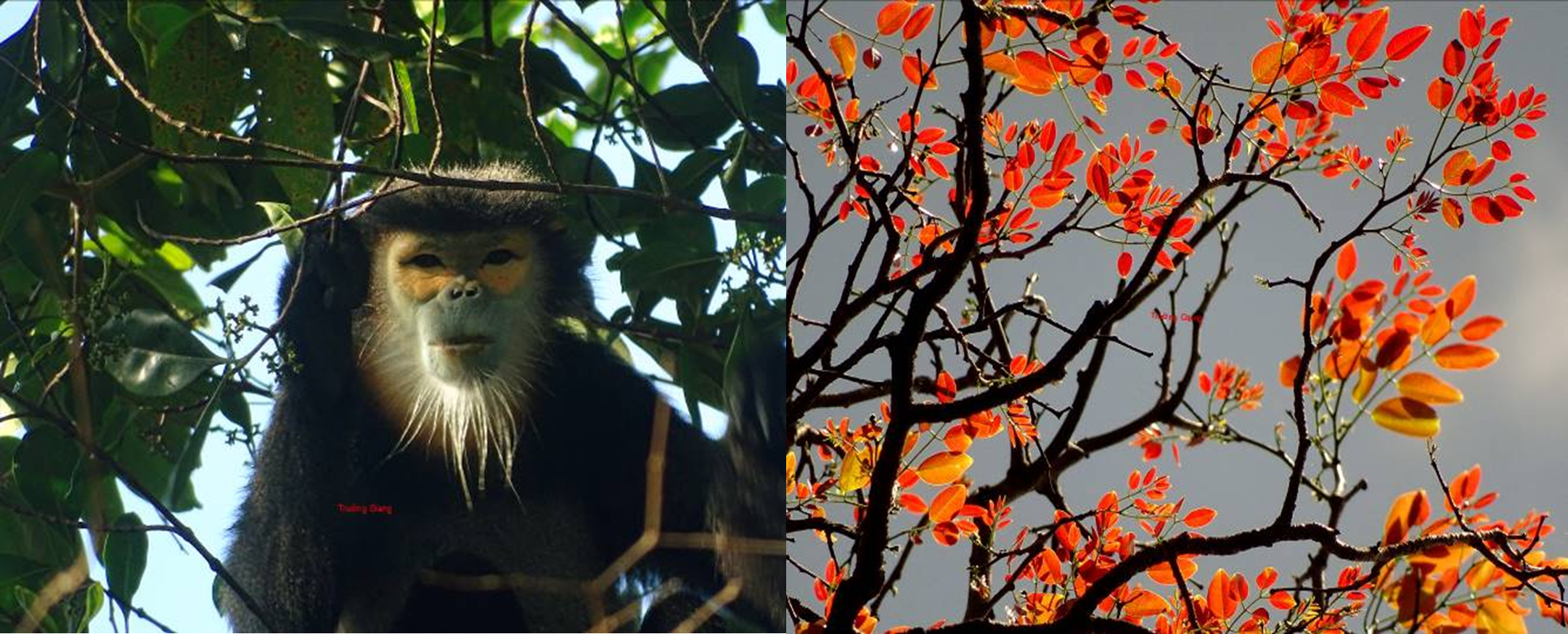
Throughout the experiential journey, the delegation visited several typical eco-tourism routes and sites. One of the most impressive stops was the Center for Rescue, Conservation, and Organism Development. Here, we were able to observe firsthand, listen to introductions, and learn about the biological behaviors of many rare animal species such as the yellow-cheeked gibbon, black-shanked douc, long-tailed macaque, pig-tailed macaque, peafowl, elongated tortoise, clouded monitor, civet, wild boar, deer, and mouse-deer. Through this, the significance of wildlife rescue and conservation work linked to environmental education became even clearer.
The delegation also visited a Special National Monument—the terminus of the VK96 fuel pipeline (Section O 30), the end point of a pipeline system nearly 5,000 km long stretching from Móng Cái to Bù Gia Mập during the resistance war against the US. This is a "red address" bearing profound historical value, helping today's generation understand more about the sacrifice, creativity, and resilient will of our forefathers.
Another unforgettable experience was the visit to Đắk Mai Waterfall—a provincial-level monument located about 6 km from the Park’s center. The waterfall is approximately 15 meters wide and 10 meters high, with a cool, clear natural pool below. Few know that this place once served as the base for the Security Section of Zone 10 in 1966—the precursor force to the Public Security of the former Bình Phước province.
Additionally, the cluster of 39 Vietnam Heritage Trees, ranging in age from 150 to 450 years, left a deep impression. These massive ancient trees, which dozens of people could not fully embrace, are vivid proof of the forest's longevity and the values that must be preserved for future generations.
The delegation did not stop at mere sightseeing; we also had the opportunity to interact with and learn about the cultural life of the S’tiêng and M’Nông ethnic groups through community activities such as lighting campfires, listening to gong performances, bamboo dancing (
múa sạp), drinking tube wine (
rượu cần), and staying overnight in traditional longhouses. These were authentic experiences that enriched our emotions and understanding of the indigenous culture.
In particular, activities such as trekking through the forest, bathing in streams, casting nets to catch fish, camping amidst the woods, or driving through the forest along Route 14C—which connects to the border patrol road—gave us the feeling of being completely immersed in wild, pristine nature.
The journey to Bù Gia Mập National Park was not just a field trip but also an occasion to clearly recognize the local potentials and advantages in developing eco-tourism associated with sustainable forest conservation. This serves as an important foundation for promoting the image of the nature, culture, and people of Đồng Nai to friends both domestically and internationally, contributing to fostering cooperation, investment, and green tourism development in the future.


